 русский
 Français
 日本語
日本語 বাংলা
বাংলা 한국어
한국어 Tiếng Việt
 Latine
 ไทย
ไทย عربى
عربى Hrvatski
 čeština
 dansk
dansk Nederlands
 Suomalainen
 Pilipino
 Deutsch
 Magyar
 Indonesia
 فارسی
فارسی italiano
 Bahasa Melayu
 Gaeilge
 norsk
norsk Português
 Polskie
 Română
 Slovák
 svenska
 Türk
Türk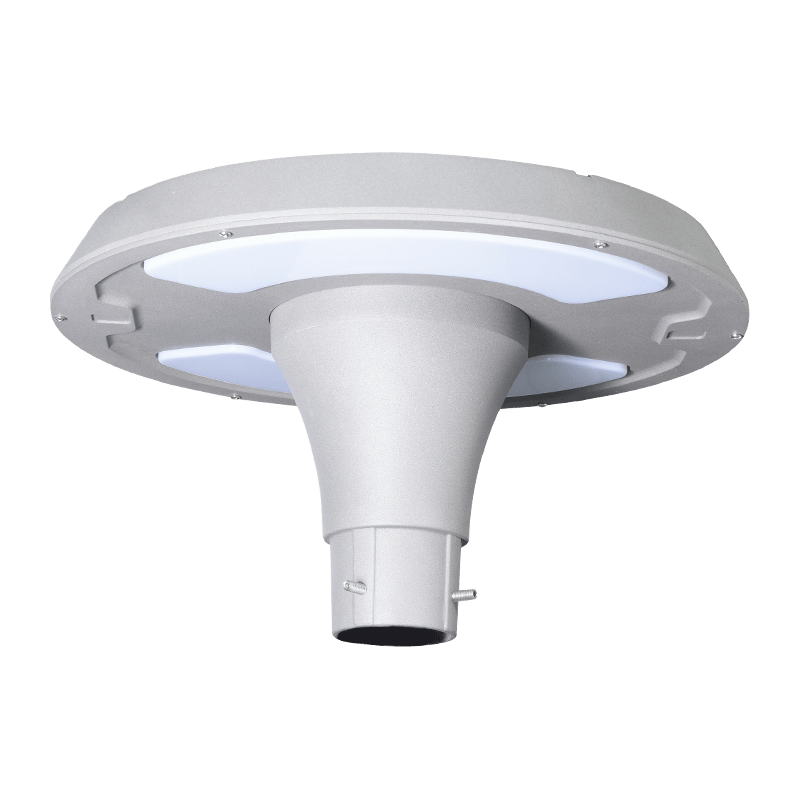
+86-13777012108
(WhatsApp/WeChat)
Fredag kväll på kvartersplanen slutar hälften av spelarna att komma. Den bortre korgen ligger ......
READ MORE
LED trädgårdsbelysning är betydligt bättre än högtrycksnatrium (HPS) lampor för praktiskt taget alla trädgårds- och landskapsbelysningstillämpningar. LED trädgårdslampor förbrukar 50 till 70 procent mindre el än motsvarande HPS-armaturer, sist 3 till 5 gånger längre , producera ljus med ett färgåtergivningsindex på 70 till 90 jämfört med HPS:s 20 till 25, och nå full ljusstyrka direkt utan uppvärmningsfördröjning. Den orangefärgade, färgförvrängande effekten av HPS-lampor – som en gång ansågs acceptabel eftersom det inte fanns något bättre utomhusalternativ – är nu klart sämre än det skarpa, exakta och fullt kontrollerbara ljus som moderna LED-trädgårdsarmaturer levererar. Den detaljerade jämförelsen nedan kvantifierar varje fördel med specifika data och praktiska sammanhang så att du kan fatta ett välgrundat beslut för ditt trädgårds-, park- eller landskapsprojekt.
Innan du jämför prestanda hjälper det att förstå vad varje teknik faktiskt gör inuti lampan, eftersom den grundläggande fysiken förklarar varför de två skiljer sig så dramatiskt i utdatakvalitet och effektivitet.
En högtrycksnatriumlampa är en gasurladdningslampa som producerar ljus genom att passera en elektrisk ljusbåge genom en blandning av xenonstartgas och natrium-kvicksilveramalgam förseglad inuti ett litet keramiskt ljusbågsrör. Bågen exciterar natriumångan, som avger ljus främst i ett smalt band centrerat runt 589 nanometer — Den karakteristiska gul-orange våglängden för natriumemission. Eftersom det mesta av ljuset är koncentrerat i detta smala spektralband har HPS-lampor mycket dålig färgåtergivning: andra färger än gult och orange verkar förvrängda eller urtvättade.
HPS-lampor kräver en ballast för att reglera strömmen och en uppvärmningsperiod på 3 till 5 minuter innan den når full effekt, eftersom ljusbågsröret måste nå driftstemperatur innan natriumångtrycket stabiliseras. Om lampan släcks och omedelbart startas om, en ytterligare fördröjning av varm återslag på 1 till 4 minuter inträffar innan lampan tänds igen. Detta gör HPS dåligt lämpad för alla applikationer som kräver omedelbar eller responsiv belysning.
LED (Light Emitting Diode) trädgårdslampor producerar ljus genom elektroluminescens - den direkta omvandlingen av elektrisk energi till fotoner i en halvledarövergång. Vitt ljus produceras antingen genom att kombinera röda, gröna och blå LED-chips, eller mer vanligt genom att belägga ett blått LED-chip med en gul fosfor som omvandlar en del av den blå utsignalen till ett vitt brett spektrum. Denna bredspektrumutgång efterliknar naturligt dagsljus, och producerar det höga färgåtergivningsindex som gör att växter, sten, vattendrag och arkitektoniska element framträder i sina sanna färger under LED-belysning.
Lysdioder är kallstartsenheter som når full ljusstyrka på under en sekund från påslagning, och de kan dimmas smidigt från 0 till 100 procent uteffekt utan färgskiftning eller instabilitet som påverkar HPS-lampor när man försöker dimma. Moderna LED-lampor för trädgårdsljus har värmestyrning och strömregleringskretsar som bibehåller konsekvent uteffekt över ett brett omgivningstemperaturområde.
Tabellen nedan ger en direkt, datadriven jämförelse av de två teknikerna över de prestandadimensioner som är viktigast för trädgårds- och landskapsbelysningstillämpningar.
| Prestandakriterium | LED trädgårdsbelysning | Högtrycksnatrium (HPS) |
|---|---|---|
| Ljuseffekt | 120 till 180 lm/W | 70 till 100 lm/W |
| Färgåtergivningsindex (CRI) | 70 till 90 | 20 till 25 |
| Alternativ för färgtemperatur | 2700 K till 6500 K (valbar) | Fast vid ca. 2100 K (orange) |
| Bedömd livslängd | 50 000 till 100 000 timmar | 12 000 till 20 000 timmar |
| Uppvärmningstid | Omedelbar (under 1 sekund) | 3 till 5 minuter |
| Hot Re-Strike Delay | Inga | 1 till 4 minuter |
| Dimningsförmåga | 0 till 100 % steglöst | Mycket begränsad; orsakar instabilitet |
| Kvicksilverinnehåll | Inga | Ja (farligt avfall vid kassering) |
| Energibesparing vs HPS | 50 till 70 % | Baslinje |
| Byte av lampa förkopplingscykel | Inga for 12 to 25 years | Vart 3 till 5 år |
| Ljusföroreningar / spill uppåt | Minimal med full-cutoff-optik | Hög (rundstrålande källa) |
| Smart Control-kompatibilitet | Full (0-10V, DALI, PWM, trådlös) | Ingen eller extremt begränsad |
Energieffektivitet är den mest omedelbart kvantifierbara fördelen med LED-trädgårdsbelysning jämfört med HPS, och besparingsblandningen över LED-armaturers långa livslängd för att skapa ett övertygande ekonomiskt fall för strömbrytaren.
Moderna LED trädgårdsarmaturer uppnår ljuseffekter av 120 till 180 lm/W på armaturnivå (inklusive förarförluster), jämfört med 70 till 100 lm/W för HPS på lampnivå — och när ballastförlusterna för ett HPS-system inkluderas, sjunker HPS-systemets effektivitet ytterligare till ca. 60 till 85 lm/W . Det betyder att för att producera samma mängd ljus på en trädgårdsgång, gräsmatta eller växt, kräver en LED-armatur ungefär halva watt av en likvärdig HPS-armatur.
Ett praktiskt exempel illustrerar omfattningen av denna besparing. Överväg en trädgårdsparkinstallation med 50 gångvägsarmaturer, var och en använder för närvarande en 70 W HPS-lampa med elektroniskt förkopplingsdon (total systemeffekt cirka 80 W per enhet). Ersätt dessa med 35 W LED-ekvivalenter som ger motsvarande eller högre belysningsstyrka:
Vid en genomsnittlig kommersiell elpris på 0,12 USD per kWh ( Källa: U.S. Energy Information Administration, Commercial Sector Average Retail Price, 2023 ), representerar detta en årlig besparing på 1 080 USD per år för en installation med 50 armaturer — innan man räknar med underhållsbesparingar.
HPS-lampor avger ljus i alla riktningar lika — ovanför, under och till sidorna av bågröret. En reflektor omdirigerar en del av detta ljus mot målområdet, men typisk reflektoreffektivitet är det bara 60 till 75 procent , vilket betyder att 25 till 40 procent av ljuset som produceras slösas bort i armaturen eller riktas uppåt när himlen lyser. LED-arrayer avger ljus över ett kontrollerat vinkelområde som bestäms av chipmonteringen och optiken, och riktar 85 till 95 procent av det utsända ljuset till den avsedda målzonen. Denna fördel med riktningseffektivitet är ett tillägg till fördelen med rå effektivitet och innebär att den effektiva belysningsstyrkan som levereras till en trädgårdsgång eller planteringsbädd per watt ineffekt är ännu större än vad lm/W-siffrorna enbart antyder.
I trädgårdsbelysning är ljuskvalitet utan tvekan viktigare än ljuskvantitet. Syftet med trädgårdsbelysning är inte bara att göra utrymmet synligt utan att göra det vackert - att återge färgerna på växter, blommor, sten, timmer och vattendrag exakt och snyggt efter mörkrets inbrott. Det är här skillnaden mellan LED-trädgårdsbelysning och HPS-lampor är mest dramatisk och mest omedelbart uppenbar för alla åskådare.
En ljuskällas färgåtergivningsindex (CRI) mäter hur exakt den återger färgerna på föremål jämfört med en referensljuskälla på en skala från 0 till 100. Högtrycksnatriumlampor har en CRI på ungefär 20 till 25 — bland de lägsta av alla kommersiellt använda ljuskällor. Under HPS-belysning ser en röd ros brun ut, en grön gräsmatta är gråbrun och blå eller lila blommor är nästan osynliga. Denna färgförvrängning är inte en fråga om uppfattning eller preferens – det är en fysisk konsekvens av den smala spektrala emissionen av natriumånga, som helt enkelt inte innehåller de våglängder som behövs för att stimulera de röda och blå färgreceptorerna i det mänskliga ögat.
För gatubelysning där det primära syftet helt enkelt är att göra vägen synlig, har denna färgförvrängning historiskt sett accepterats som en avvägning för HPS:s höga effektivitet och långa lamplivslängd. För trädgårdsbelysning, där det estetiska utseendet på plantering, material och vatten är centralt för syftet med installationen, är CRI 20 helt otillräcklig.
LED trädgårdsarmaturer uppnår CRI-värden på 70 till 90 eller högre , med premiumprodukter som når CRI 95 . På CRI 80 ser en röd ros under LED-belysning genuint röd ut, gröna bladverk ser gröna ut och de subtila färgerna på natursten och trä återges med samma trohet som de visar i dagsljus. Vid CRI 90 och högre – specifikationen som krävs alltmer i avancerade landskapsbelysningsprojekt – går det visuella resultatet inte att skilja från naturligt dagsljus när det gäller färgnoggrannhet.
En landskapsarkitekt som designar en trädgårdsupplevelse på natten specificerar armaturer på CRI 80 eller högre som standardpraxis eftersom lägre CRI-värden undergräver den visuella kvaliteten på planteringsdesignen. Under HPS-belysning vid CRI 20 ser det mest noggrant utformade planteringsschemat ut identiskt med en odifferentierad massa av otydlig gråbrun vegetation. Under LED-belysning vid CRI 80 till 90 avslöjar samma schema sin fulla avsedda palett av färg, textur och kontrast.
LED trädgårdslampor erbjuder färgtemperaturval som HPS inte kan närma sig. För de flesta trädgårds- och landskapsapplikationer, en färgtemperatur på 2700 K till 3000 K (varmvitt) är att föredra eftersom det ger en inbjudande, avslappnad atmosfär som kompletterar naturliga material och kvällens sociala användning. För moderna arkitektoniska trädgårdar med sten, betong och stålelement, en något svalare 3500 K till 4000 K neutral vit kan förstärka en modernare estetik. Inget av alternativen är tillgängligt med HPS, som är fixerad till cirka 2100 K med dålig CRI - inte varmvit utan en färg som de flesta observatörer tycker är obehaglig i en intim trädgårdsmiljö.
Den LED trädgårdsbelysning sortimentet från PODA finns i varmvita (3000 K) och neutralvita (4000 K) färgtemperaturer med CRI-värden på 80 och högre, vilket ger den färgkvalitet som trädgårds- och landskapsprojekt kräver utan kompromisser.
Den upfront cost of a luminaire is rarely the most significant cost over its operational life in a garden or public park setting. Maintenance — lamp replacement, ballast replacement, access equipment, and labor — often exceeds the initial capital cost within the first decade of operation with HPS, while LED garden lights largely eliminate these recurring expenses.
En standard HPS-lampa har en nominell livslängd på 12 000 till 20 000 timmar vid L50-punkten (när 50 procent av lamporna har gått sönder). Med ett driftschema på 4 000 timmar per år innebär detta lampbyte varje 3 till 5 år . Men HPS-lampor upplever också en betydande lumenförsämring under sin livslängd – effekt vid slutet av den nominella livslängden är vanligtvis endast 50 till 70 procent av initial utdata ( Källa: Lighting Research Center, Rensselaer Polytechnic Institute, HPS Lamp Performance Data, 2018 ). I praktiken ersätter många underhållsprogram HPS-lampor med en gruppbytescykel på 3 år för att bibehålla acceptabla medelbelysningsnivåer över hela installationen.
Elektroniska förkopplingsdon för HPS-lampor har en livslängd på 8 till 12 år innan felfrekvensen blir betydande. Förkopplingsfel orsakar fullständig förlust av lampans funktion, och driftdonskostnaden är ofta jämförbar med kostnaden för själva armaturen. I en park eller en stor trädgårdsinstallation med dussintals armaturer skapar driftstoppfel ett pågående oplanerat underhållsbehov som stör installationens utseende och kräver reaktiva underhållsmeddelanden till hög arbetskostnad.
Kvalitets LED trädgårdsarmaturer är klassade till L70 vid 50 000 timmar eller mer — vilket innebär att efter 50 000 timmar är produktionen fortfarande 70 procent av initialvärdet. Vid 4 000 drifttimmar per år motsvarar detta 12,5 års tjänst före det första underhållsingreppet för lumenförsämring. Premiumprodukter rankade till 100 000 timmar förlänger detta till 25 år. LED-drivrutiner (den elektroniska strömförsörjningen som ersätter ballasten) har MTBF-värden (medeltid mellan fel) på 80 000 till 100 000 timmar för kvalitetsenheter, vilket innebär att drivrutiner under LED-livslängden är sällsynta snarare än rutinmässiga.
Den practical implication is that an LED garden lighting installation requires essentially no lamp or driver replacement for the first 10 to 15 years of operation, compared with 3 to 4 lamp replacement cycles and potentially 1 to 2 ballast replacement cycles for HPS over the same period. For a facility manager responsible for a public garden or park, this difference translates directly to fewer maintenance callouts, lower contractor costs, and a consistently well-lit installation rather than one with an ongoing pattern of dark or dim luminaires awaiting maintenance.
För en trädgårdsinstallation med 30 armaturer i drift 4 000 timmar per år visar jämförelsen av underhållskostnaden över 15 år mellan HPS och LED (baserat på typiska entreprenörspriser, inte produktspecifika kostnader):
Den environmental credentials of the two technologies diverge significantly, with LED garden lighting offering advantages across carbon emissions, hazardous material content, and light pollution — all of increasing importance to municipalities, commercial landscape operators, and environmentally conscious private garden owners.
Genom att använda den amerikanska genomsnittliga kolintensiteten i rutnätet på ungefär 0,386 kg CO2 per kWh ( Källa: U.S. EPA, Emissions and Generation Resource Integrated Database, eGRID 2022 ), den årliga energibesparingen på 9 000 kWh från exemplet med 50 armaturer ovan representerar en koldioxidbesparing på ca. 3 474 kg CO2 per år — motsvarande de årliga utsläppen av cirka 750 liter bensinförbränning. Över en 15-årig LED-livslängd representerar detta en ackumulerad koldioxidbesparing på över 52 ton CO2 för en trädgårdsinstallation med 50 armaturer.
Varje HPS-lampa innehåller kvicksilver - ett beständigt miljögift som ackumuleras i vattenlevande näringskedjor och utgör betydande avfallsutmaningar. Typiska HPS-lampor innehåller mellan 15 och 50 mg kvicksilver per lampa ( Källa: U.S. EPA, Lamp Mercury Content Data, 2021 ). Vid 5 utbytescykler över 15 år för en installation med 30 armaturer, representerar detta 150 lampor kräver bortskaffande av farligt avfall, totalt upp till 7 500 mg (7,5 g) kvicksilver från en enda liten installation. LED-armaturer innehåller inget kvicksilver, inget natrium och inga andra reglerade farliga material, vilket eliminerar både kasseringskomplexiteten och miljöföroreningsrisken från oavsiktligt lampbrott i trädgårdsmiljö.
Trädgårds- och parkbelysning har en direkt inverkan på nattliga ekosystem. Insekter, fladdermöss, fåglar och andra vilda djur påverkas alla av artificiellt ljus på natten (ALAN), och HPS-lampor – med sin rundstrålande ljusemission och uppåtriktade spill – genererar betydligt mer himmelsglöd och störningar i habitat än väldesignade LED-trädgårdsarmaturer. Forskning publicerad i Philosophical Transactions of the Royal Society B (Davies et al., 2017) fann att den spektrala sammansättningen av utomhusbelysning avsevärt påverkar insekters attraktion, med varmvita LED-källor som drar till sig betydligt färre insekter än bredbandsinnehållet med kort våglängd i kallare ljuskällor och mindre än de starkt gula HPS-emissionerna vid motsvarande belysningsstyrka.
LED trädgårdslampor med full-cutoff optik direkt mindre än 1 procent av armaturens effekt över horisontalplanet , vilket dramatiskt minskar uppåtriktad ljusglöd jämfört med den 20 till 30 procent uppåtriktade ljusemissionen som är typisk för konventionella HPS-trädgårdsarmaturer med halvklotformade skärmar. Denna minskning av himlens glöd är både en ekologisk fördel och en estetisk sådan - vilket gör att stjärnor kan förbli synliga från trädgårdsmiljöer som HPS-belysning tidigare skulle ha skymt.
Den controllability of LED garden lighting opens design and operational possibilities that are simply not available with HPS technology, and these capabilities are increasingly standard expectations in modern garden and landscape projects rather than premium options.
LED trädgårdslampor accepterar dimningssignaler via 0-10 V analogt, DALI digitalt protokoll eller PWM ingångar, som tillåter jämn kontinuerlig dimning från full uteffekt ner till 1 till 5 procent utan flimmer, färgskiftning eller instabilitet. Detta möjliggör:
Eftersom LED-trädgårdslampor når full ljusstyrka direkt, är de direkt kompatibla med PIR (passiv infraröd) rörelsesensorer som aktiverar ljuset endast när en person eller ett fordon upptäcks. HPS kan inte fungera i det här läget på grund av dess uppvärmning och fördröjningar av heta återslag - en mörk väg som kräver 3 till 5 minuter för att lysa upp efter aktivering är värdelös som rörelseutlöst belysning. Rörelseaktivering i ett trädgårdsvägsystem kan minska energiförbrukningen med 40 till 60 procent jämfört med kontinuerlig drift vid full effekt, samtidigt som full belysningsstyrka bibehålls när det faktiskt behövs för säkerhet och trygghet.
LED-trädgårdsarmaturer kan utrustas med trådlösa nätverkskontroller (med protokoll som Zigbee, LoRaWAN eller NB-IoT) som tillåter individuell armaturstyrning, gruppsceninställning, schemalagda dimningsprogram och felövervakning från ett centralt hanteringsgränssnitt. I en stor offentlig trädgård eller företagscampus tillåter denna förmåga anläggningsteamet att:
High-end LED-trädgårdsarmaturer finns i färgjusterbara (justerbar färgtemperatur från varm till kall) eller RGBW (röd-grön-blå-vit) konfigurationer som kan producera vilken färg som helst över det synliga spektrumet på begäran. Dessa produkter möjliggör säsongsbetonade färgskärmar, evenemangsbelysning i trädgårdar och dynamiska ljuseffekter som ingen HPS-lampa skulle kunna producera oavsett vilket styrsystem som är installerat. Även om det inte är lämpligt för alla trädgårdsmiljöer, visar tillgängligheten av dessa alternativ inom LED-plattformen den grundläggande designflexibiliteten som LED-tekniken ger.
Den aggregate advantages of LED garden lighting translate into measurable improvements in outcome across the specific application types that make up most garden and landscape lighting projects.
Banbelysning kräver enhetlig belysning på marknivå med minimal bländning för fotgängare i ögonhöjd. LED-stolpar eller pollare trädgårdsarmaturer med asymmetrisk eller platt glasoptik ger horisontell belysning av 10 till 30 lux på vägnivå från 5 till 6 m monteringshöjd, uppfyller kraven i EN 13201 Klass P (fotgängare) med utmärkt enhetlighet. Den varmvita effekten på CRI 80 gör att stigar och deras omgivningar verkar attraktiva och naturliga snarare än den dystra orange av HPS-belysning.
Att belysa träd, palmer och arkitektoniska växter är en av de mest populära teknikerna inom trädgårdsbelysningsdesign. Under HPS-uppljus framträder ett grönbladigt träd som en odifferentierad gul-orange massa utan någon synlig skillnad mellan bladfärg, struktur eller baldakinstruktur. Under LED-upplysning vid CRI 80 till 90 i varmvitt avslöjar samma träd sin verkliga gröna lövfärg, strukturen på dess bark och den tredimensionella strukturen av dess förgrening – vilket skapar ett dramatiskt mer attraktivt och naturalistiskt utseende på natten.
LED-uppljusarmaturer för trädgårdsanvändning finns tillgängliga i smalstrålande (8 till 15 grader), medelstrålande (25 till 40 grader) och bredstrålade (60 grader) konfigurationer, vilket möjliggör exakt inriktning av ljusstrålen på specifika träd eller växtgrupper utan att spilla ut på omgivande områden - en nivå av optisk kontroll som är omöjlig med rundstrålande emission av HPS-lampa.
Dammar, fontäner, bäckar och vattenväggar är bland de mest givande elementen att belysa i en trädgård eftersom vatten reflekterar, bryter och animerar ljus på ett sätt som skapar dynamiska visuella effekter. LED undervattensarmaturer och intilliggande spotlights på CRI 80 återger de sanna färgerna hos dammfiskar, vattenväxter och dekorativt grus med en klarhet som HPS inte kan närma sig. De kallvita alternativen som finns tillgängliga i LED tillåter också designers att skapa en månskenseffekt på vattenytor som varmt HPS-ljus inte kan replikera.
Kommunala parker och offentliga trädgårdar har historiskt sett varit HPS-belysningens domän på grund av dess låga driftskostnad - men LED-effektfördelen gör nu LED till det billigare alternativet för hela livet samtidigt som det ger en dramatiskt bättre besöksupplevelse. En allmän park upplyst med LED trädgårdsarmaturer på CRI 80 och 3000 K är visually inviting and safe-feeling, with good color discrimination for wayfinding and obstacle detection. The same park under HPS lighting at CRI 22 appears gloomy, alien, and unattractive despite producing technically adequate illuminance levels on the ground.
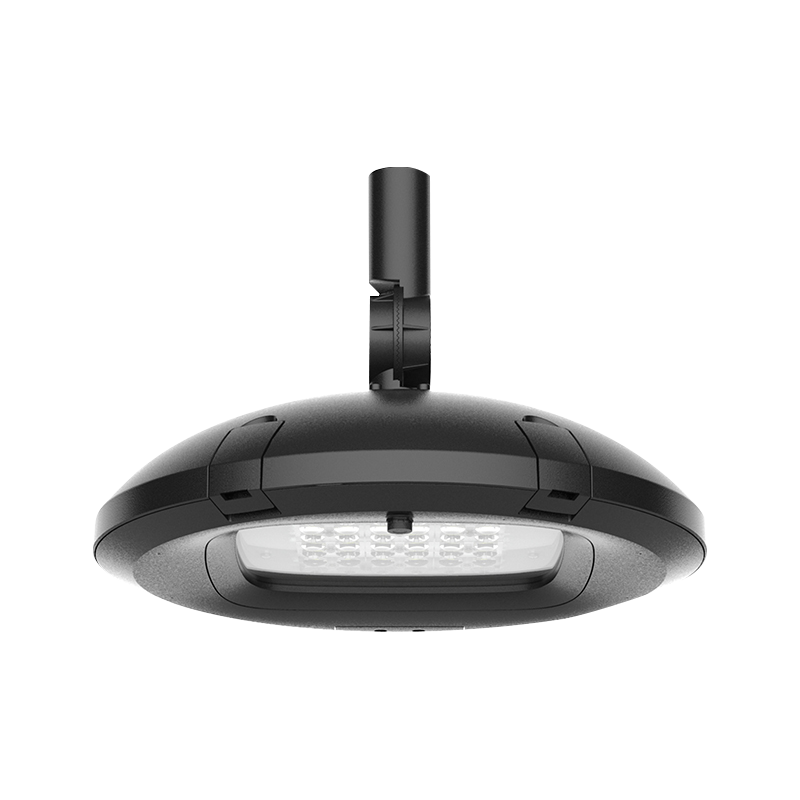
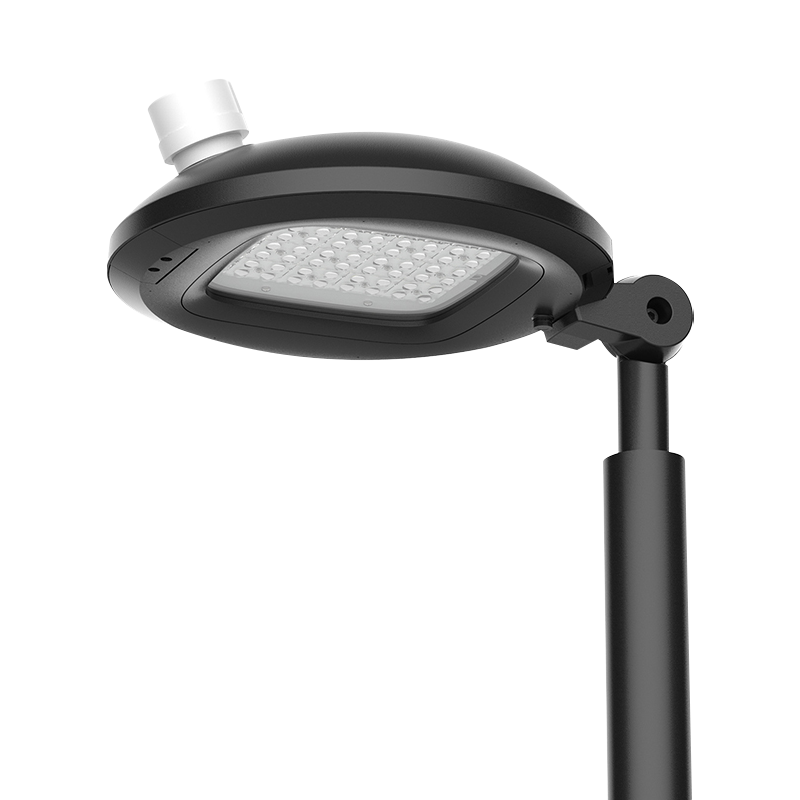
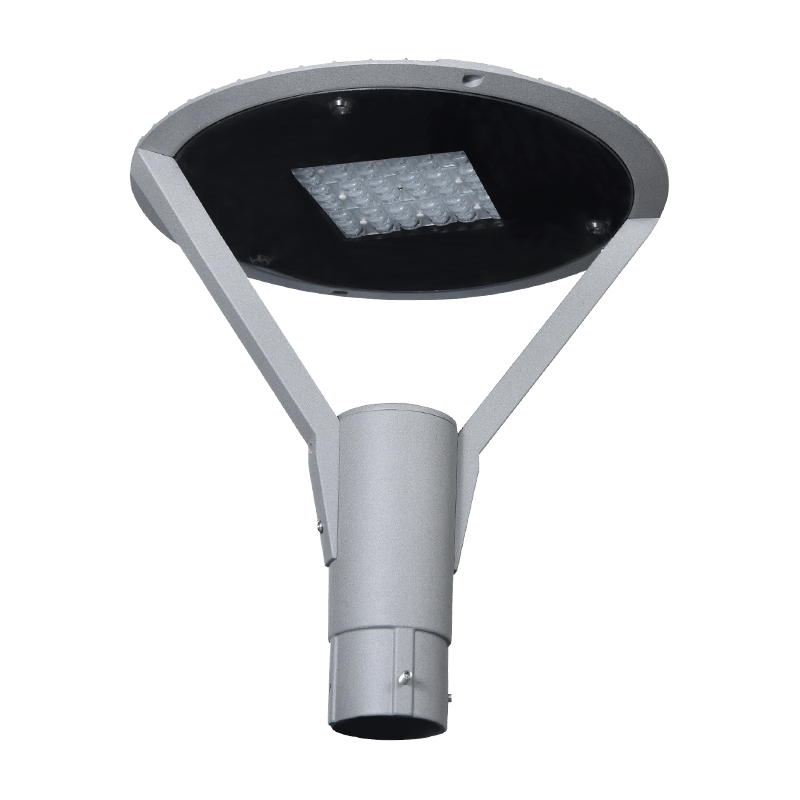
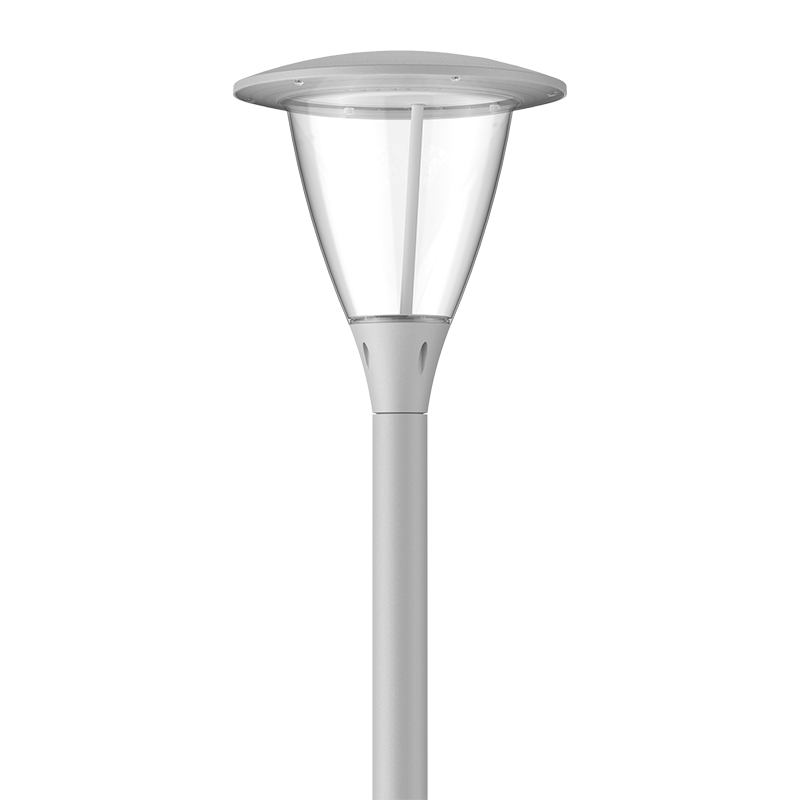
Den LED trädgårdsbelysning produktserien tillgängliga från PODA täcker hela sortimentet av typer av trädgårdsarmaturer - stolplyktor, pollare, spotlights och strålkastare - i IP65-klassad väderbeständig konstruktion som lämpar sig för permanent utomhusinstallation i offentliga parker, privata trädgårdar och kommersiella landskapsprojekt.
Trädgårdsarmaturer fungerar året runt i regn, luftfuktighet, damm, extrema temperaturer och UV-exponering. Hållbarheten hos LED-trädgårdsbelysning under dessa förhållanden är överlägsen HPS i flera viktiga avseenden.
HPS-lampor använder ett trycksatt keramiskt bågrör inuti ett yttre glashölje. Båda komponenterna är ömtåliga och kan skadas av termisk chock (kallt regn på en varm lampa) eller fysisk påverkan. Bågrörsfel i mitten av livet resulterar i omedelbar förlust av lampans funktion och är en vanlig orsak till tidigt lampbyte i trädgårdsmiljöer utomhus där temperaturcykler och enstaka fysiska störningar är rutin. LED-chips monterade på aluminiumsubstrat har inga ömtåliga glas- eller keramiska komponenter och är i sig mer motståndskraftiga mot termiska stötar och mekaniska vibrationer.
Kvalitets LED trädgårdsarmaturer bär en IP65 eller IP66 inträngande skyddsklass , vilket bekräftar att de är täta mot damm och vattenstrålar i alla riktningar. Denna klassificering är testad enligt IEC 60529-standarderna. HPS-armaturer med ventilerade höljen (krävs för att avleda värme från lampan) är i allmänhet klassade till IP44 till IP55, vilket betyder att de inte är helt skyddade mot kraftfulla vattenstrålar eller ihållande vattenexponering - en begränsning i trädgårdsmiljöer som utsätts för bevattningssystem, kraftiga nederbörd eller högtryckstvätt.
LED trädgårdslampor fungerar tillförlitligt över ett omgivningstemperaturintervall på -40 grader C till 50 grader C , utan försämring av uppvärmningsprestanda i kalla förhållanden. HPS-lampor fungerar mindre effektivt vid låga omgivningstemperaturer eftersom ljusbågsröret kräver ytterligare uppvärmningstid för att nå fungerande natriumångtryck, vilket minskar ljusutbytet under uppvärmningsperioden. I trädgårdar med kallt klimat eller parkinstallationer som fungerar under vintern, bibehåller LED-trädgårdsbelysningen konsekvent effekt från första sekunden av varje natts drift oavsett omgivningstemperatur.
Att välja LED-trädgårdsarmaturer som kommer att leverera den förväntade prestandan under hela sin livslängd kräver uppmärksamhet på specifikationerna som skiljer professionella kvalitetsprodukter från budgetalternativ som kan underprestera eller misslyckas i förtid under utomhusförhållanden.
| Specifikation | Rekommenderat minimum | Varför det spelar roll |
|---|---|---|
| Ljuseffekt | 120 lm/W på armaturnivå | Säkerställer meningsfull energibesparing över HPS baslinje |
| Färgåtergivningsindex (CRI) | CRI 80 minimum; CRI 90 för premium landskap | Bestämmer hur exakt växter och material visas på natten |
| Färgtemperatur | 2700 K till 3000 K for residential gardens | Varmvitt är estetiskt lämpligt och mindre störande för vilda djur |
| L70 Nominell livslängd | Minst 50 000 timmar | Bekräftar 12 års service före underhåll vid 4 000 h/år |
| Inträngningsskydd | IP65 minimum; IP66 för bevattningszoner | Säkerställer tillförlitlig drift under regn och trädgårdsbevattning |
| Slagtålighet | IK08 eller högre | Skyddar mot vandalism och oavsiktlig påverkan i offentliga trädgårdar |
| Drivrutin för MTBF | Minst 80 000 timmar | High driver MTBF minimerar oplanerat underhåll under livslängden |
| Dimningskompatibilitet | 0-10V eller DALI för hanterade installationer | Möjliggör energihantering och scenkontroll |
| Överspänningsskydd | 10 kV linje-till-linje minimum | Skyddar föraren från blixtnedslag på matningskablar utomhus |
| Korrosionsbeständighet | Marint pulverlack eller anodiserad aluminium | Behåller utseende och strukturell integritet i fuktiga trädgårdar eller kustnära trädgårdar |
För en balanserad analys är de omständigheter under vilka HPS teoretiskt sett fortfarande kan övervägas för trädgårdsbelysning värda att undersöka - tillsammans med skälen till varför LED fortfarande är det bättre valet även i dessa fall.
På extremt avlägsna platser där den enda strömkällan är en dieselgenerator eller ett mycket begränsat solcellsbatterisystem, gör den högre ljuseffekten per watt LED (jämfört med HPS) faktiskt LED ännu mer lämplig, inte mindre - eftersom LED:s lägre effektbehov minskar generatorns bränsleförbrukning eller minskar storleken på solpaneler och batterilagring som behövs. Argumentet att HPS är mer effektivt i off-grid-inställningar stöds helt enkelt inte av aktuella LED-effektivitetsdata.
Vissa trädgårdsägare med befintliga HPS-installationer kan överväga att fortsätta med HPS som en likvärdig ersättning när lampor går sönder, på grundval av att armaturinfrastrukturen redan är på plats. I praktiken överstiger utbyteskostnaden för lampa plus förkopplingsdon vid slutet av sin livslängd ofta kostnaden för att eftermontera en LED-modul i det befintliga armaturhuset, vilket gör LED-eftermontering till det ekonomiskt rationella valet även när armaturhuset förblir funktionsdugligt.
I varje realistiskt scenario för trädgårdsbelysning, LED trädgårdsbelysning är det tekniskt överlägsna och ekonomiskt rationella valet framför HPS . Klyftan mellan de två teknologierna har ökat konsekvent under det senaste decenniet eftersom LED-effekten har förbättrats och kostnaderna har sjunkit, och det finns ingen trovärdig prognose där HPS återfår konkurrenskraftig relevans för trädgårdsbelysningstillämpningar.
Fredag kväll på kvartersplanen slutar hälften av spelarna att komma. Den bortre korgen ligger ......
READ MOREOm du har jämfört ficklampor, arbetslampor eller små lyktor har du förmodligen sett 450 lumen ......
READ MOREDet ärliga startnumret är brett: ett komplett belysningsprojekt för basebollfält landar vanlig......
READ MOREAtt välja rätt basketplansbelysning kommer ner till en slutsats: LED-strålkastare ger den bäst......
READ MORE
Våra produkter
Håll kontakten
+86-13777012108
(WhatsApp/WeChat)
export@polaryang.cn
+86-574-65167530
Xue'ao Qiangjiao Town, Ninghai County, Ningbo, Zhejiang, Kina
Kontakta oss
